
article
Renovating a Coastal Home: Materials, Moisture, Corrosion and Maintenance
A practical guide to selecting and detailing materials for exposed Dorset coastal homes, including moisture, fixings, glazing and maintenance planning.

Coastal homes experience a combination of wind-driven rain, airborne salt, strong UV exposure and rapid weather changes. Materials that perform well inland can deteriorate more quickly when their coating, fixing or junction is not selected for the exposure.
The answer is not to avoid natural materials or large glazing. It is to detail them honestly and plan how they will be inspected and maintained.
Start with exposure, not appearance
Two elevations of the same home may experience very different conditions. Orientation, distance from the water, shelter, height and surrounding buildings affect how much salt and rain reach a surface.
Record which areas are:
- directly exposed to prevailing weather;
- sheltered but slow to dry;
- subject to splashback or standing water;
- difficult to inspect or clean;
- exposed to strong solar gain.
Use that map when selecting systems and maintenance intervals.
Control water through layers
No external face should be treated as the only defence. Rainscreens, cavities, membranes, flashings and drainage paths manage the water that passes the outer surface.
Continuity is particularly important around windows, doors, balconies, parapets and roof terraces. These junctions bring structure, insulation, waterproofing and appearance together. A product warranty cannot compensate for an incomplete sequence.
Specify metals and fixings for the real environment
Salt accelerates corrosion. Stainless steel is not one universal material, and dissimilar metals can react when moisture connects them. Coatings need suitable preparation, film thickness and repair procedures.
Ask the designer or manufacturer to confirm:
- the grade and finish appropriate to the exposure;
- compatibility between fixings and the material being fixed;
- how cut edges and site damage are treated;
- access for inspection and replacement;
- cleaning intervals required by the warranty.
Do not allow hidden fixings to become an afterthought simply because they are not visible at handover.
Timber can work when it is allowed to behave like timber
Timber moves, weathers and changes colour. Species, treatment, profile, end-grain protection, ventilation and fixing method all influence its life.
Decide whether the design expects a natural weathered appearance or a maintained coating. If a uniform coated finish is essential, make sure every surface can actually be reached for preparation and recoating.
Glazing needs more than a view
Large coastal glazing should be assessed for wind loading, water performance, solar gain, privacy and cleaning access. Frame drainage and perimeter seals must remain maintainable.
Internally, strong light can fade timber, textiles and artwork. External shading, glass specification, curtains and room layout form one comfort strategy.
Render and masonry junctions
White render makes staining and cracking visible. Correct background preparation, movement joints, drips, cills and clearance from paving reduce avoidable problems.
Keep planting and irrigation away from vulnerable wall bases. Ensure paving falls direct water toward intended drainage rather than back to the building.
Ventilation and internal moisture
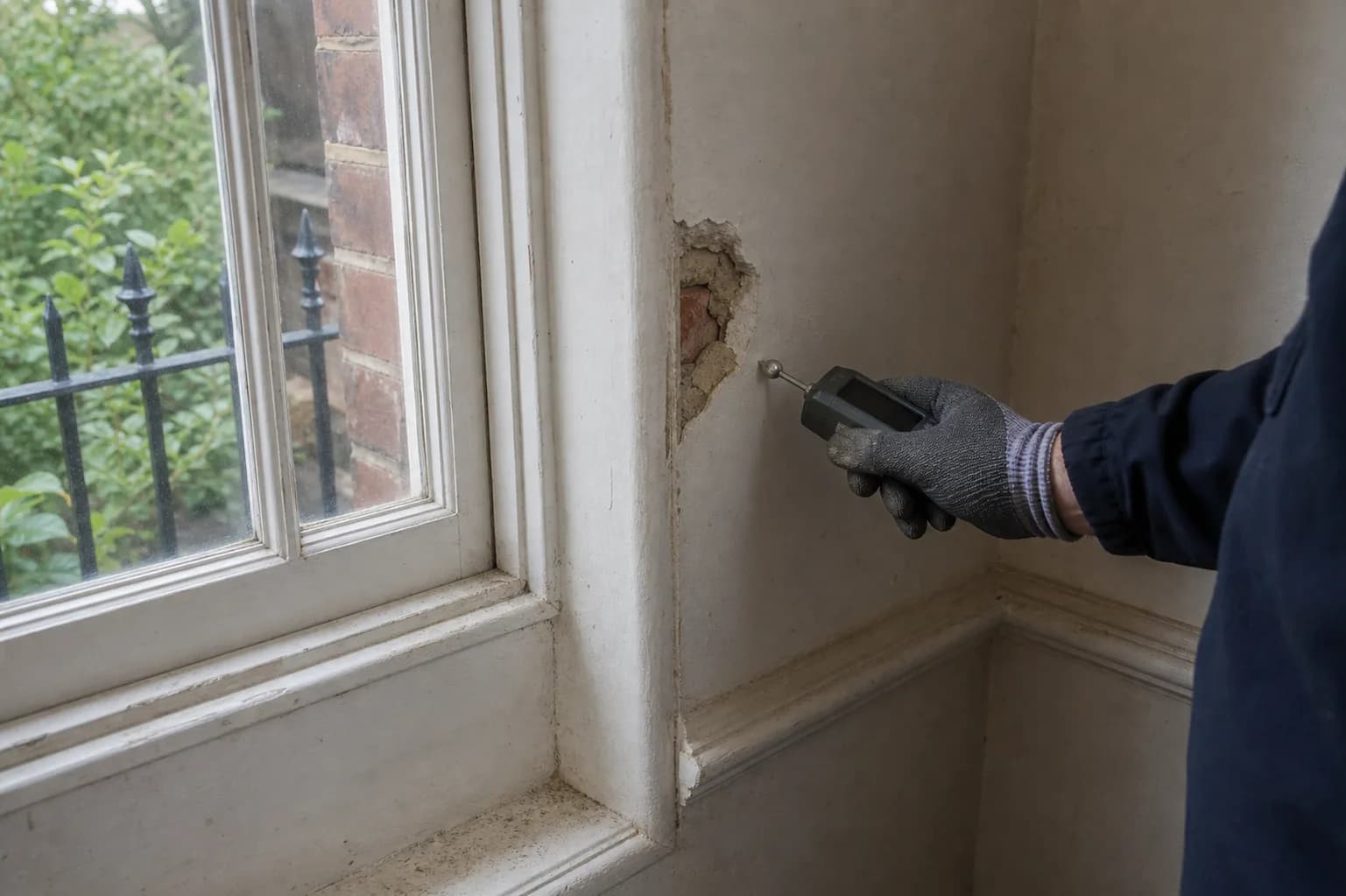
Coastal air is not a substitute for controlled ventilation. Airtight renovated homes need a deliberate route for moisture generated by bathing, cooking and occupancy.
Ventilation, heating and insulation should be designed together. Cold bridges can produce local condensation even when the average room temperature appears acceptable.
Government Approved Document F provides statutory guidance for ventilation in England; the project designer should apply the current requirements to the actual work.
Build a maintenance plan at handover
Record product names, colours, batch information, warranties and cleaning instructions. Photograph concealed details and keep access information for valves, drainage points and equipment.
A coastal maintenance schedule may include:
- washing salt deposits from glazing and metalwork;
- inspecting sealants, coatings and fixings;
- clearing roof outlets and linear drains;
- checking exposed timber and render;
- servicing ventilation, heating and controls;
- reviewing terraces and balcony junctions after severe weather.
Mendit’s managed property maintenance service can coordinate these checks for owners who are away from Dorset. The most resilient coastal home is not the one that claims to be maintenance-free; it is the one designed so maintenance is visible, planned and achievable.
Selected project intake
Tell us what you are planning.
Share the property, intended scope and where you are in the design or planning process. Donna will help identify a useful next step.