House Extension or Move? Evaluating the Best Option for a Dorset Home
A decision framework for Dorset homeowners comparing a substantial extension with selling and moving to a different property.
By Donna Reid · Reviewed by Jerome de Bazin de Bezons · 8 min read
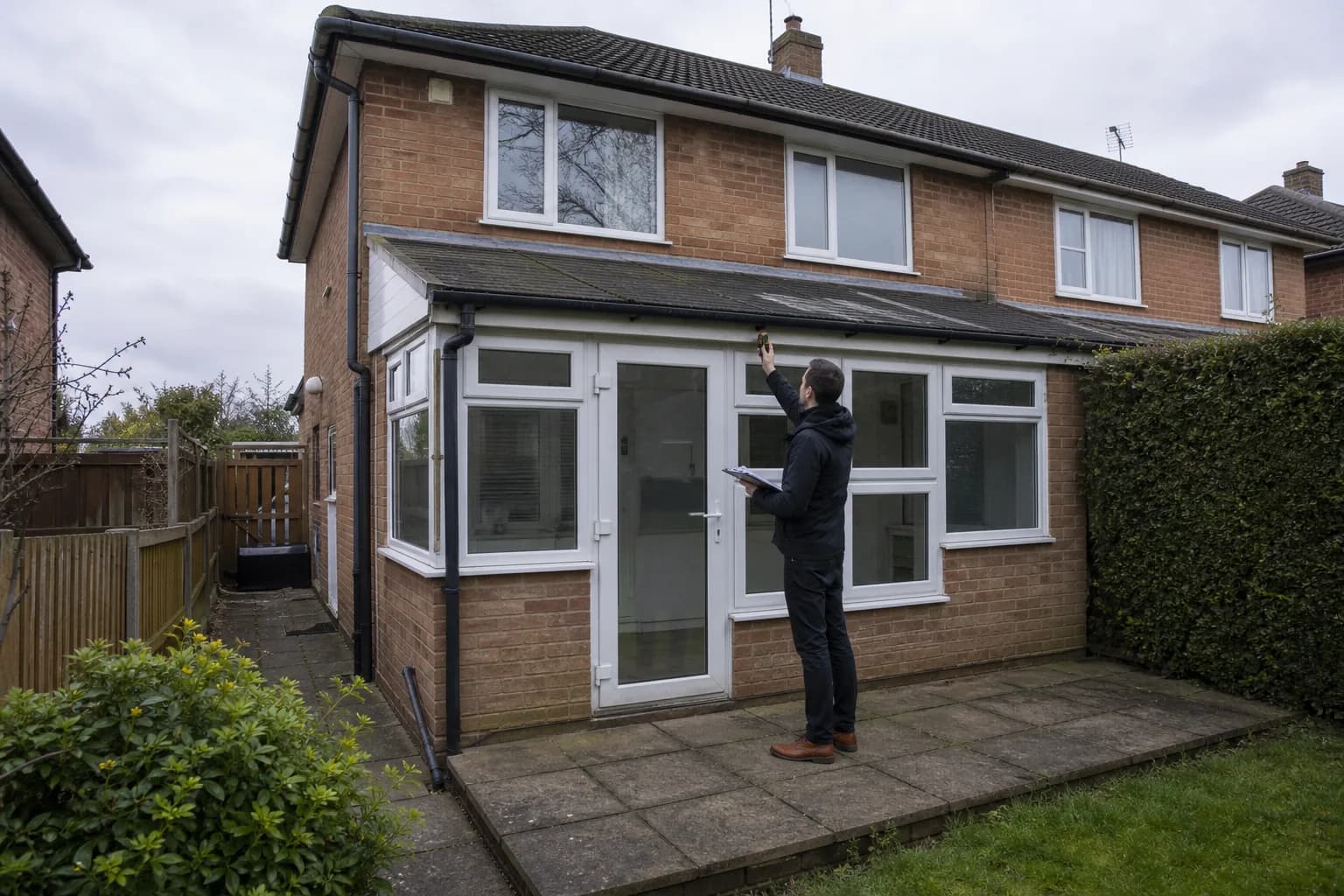
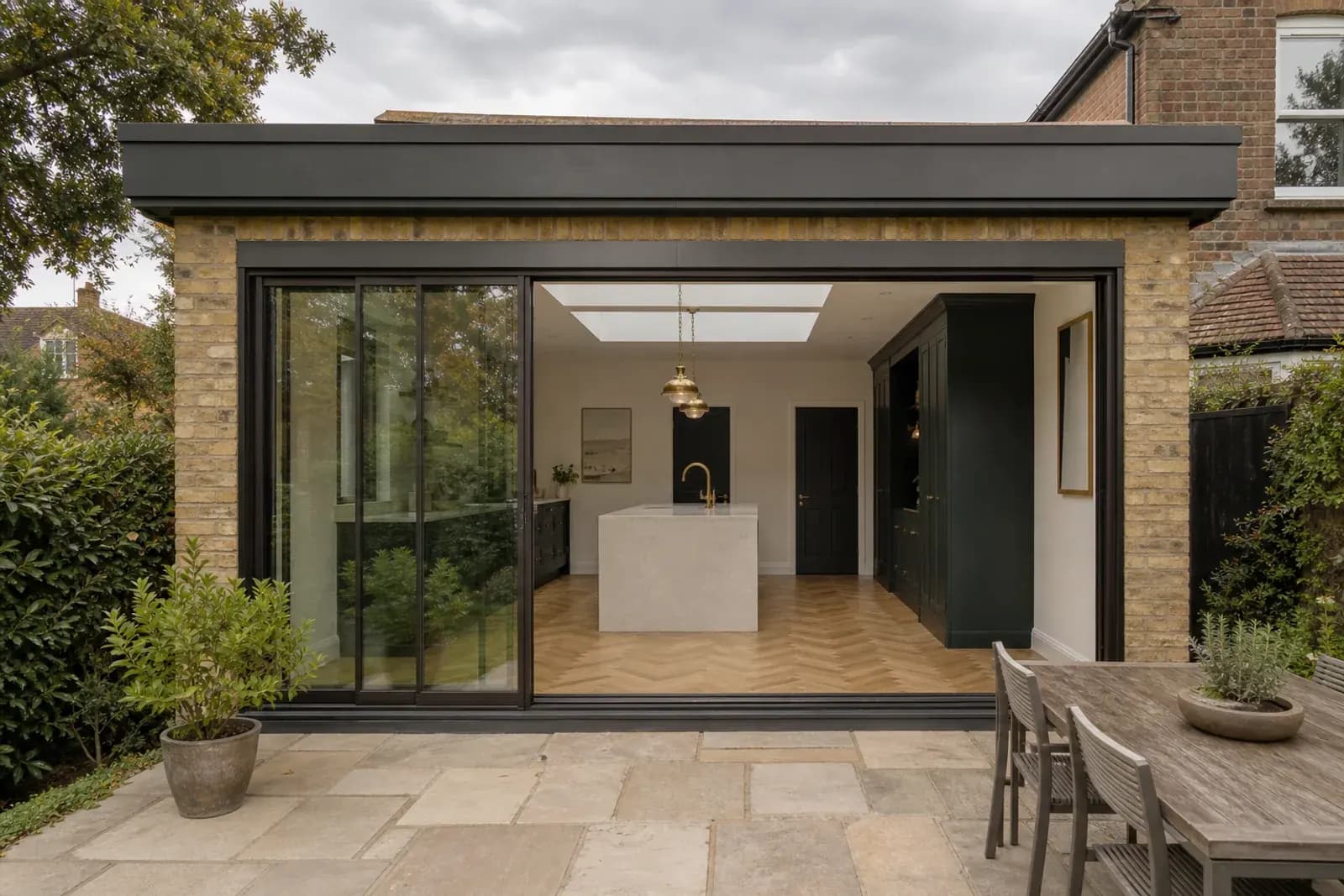
If you value the location but the house no longer supports the way you live, an extension can be more compelling than moving. But extra floor area is not automatically the right answer. The decision should compare the potential of the existing property with the full cost, risk and disruption of both routes.
Begin with the problem, not the solution
Write down what is actually failing. Is the kitchen too small, is circulation awkward, are there too few bedrooms, or is the whole property in poor condition? Some problems need additional area; others can be solved by reorganising what already exists.
An architect or experienced designer can test three options:
reconfigure within the current envelope;
reconfigure and add a targeted extension;
make a more substantial addition with wider renovation.
Comparing these before committing prevents a large extension from preserving the same poor plan at a greater size.
Assess the site's realistic capacity
Garden depth, orientation, parking, trees, drainage, neighbour relationships and local planning policy all influence the acceptable form of an extension.
Government permitted-development technical guidance explains the national framework, but the rights available to a particular property can be restricted. Confirm the position before treating permitted development as part of the financial case.
Compare whole costs
For an extension, include design, surveys, planning, building control, party-wall advice where applicable, construction, temporary accommodation, finance and contingency. If the rest of the home also needs services or finishes renewed, include that connected work.
For moving, consider agent and legal fees, removals, financing, tax, immediate repairs and the premium attached to a property already offering the required space. Also account for the possibility that the replacement home will still need alterations.
This is a personal financial decision; seek regulated financial and tax advice where required.
Consider value that is not captured by floor area
An extension may preserve a school route, harbour access, established garden, community or view that is difficult to replace. Conversely, no amount of building work can change a fundamentally unsuitable plot or location.
Think about the life of the finished plan. Will it still work if family needs change? Is the new floor area in the right place? Can the house be heated, maintained and sold sensibly?
Understand disruption
An extension connected to a wider renovation can affect the kitchen, heating, electrics, drainage and garden for a sustained period. Decide whether the home will be occupied and how the work will be separated.
Moving also brings uncertainty, but its disruption is different. The right comparison is not “building work versus no building work”; it is one managed transition versus another.
Look for planning and construction risk
A realistic extension appraisal should identify:
planning uncertainty;
structural openings and temporary support;
drainage or utility diversions;
access restrictions;
long-lead glazing and kitchen packages;
party-wall procedures;
unknown existing construction.
The government party-wall guide notes that certain boundary, structural and excavation works require notices even though the Act is separate from planning and building regulations.
When extending tends to make sense
Extending is often compelling when the location is difficult to replace, the plot can accommodate a well-proportioned addition, and the existing building is fundamentally sound enough to justify further investment.
Moving may be stronger when the site cannot support the required accommodation, planning risk is disproportionate, or the desired home would demand rebuilding most of the existing property without preserving something genuinely valuable.
Mendit can help turn an agreed design into a coordinated construction plan. The decision about whether to extend should come first—and should be made with the whole property in view.
“We were expecting a lot more chasing. In practice, someone was always ahead of the next decision, which took a real weight off.”
“The site had a good rhythm to it. Trades knew when they were needed, and the small details did not get lost between people.”
“The numbers mattered to us, but so did the way the house was treated while work was going on. Both were taken seriously.”
“When something needed resolving, the conversation was practical. We could get to a decision without pages of back-and-forth.”
“The updates were concise and useful. I did not need to be on site every week to understand where the project stood.”
“They were straightforward to work with. Questions were answered quickly and the team did what they said they would do.”
“Very happy with the result. Good communication, tidy team and everything was finished to a high standard.”
“Donna always came back to us quickly and kept us updated. We are really pleased with the house.”
“The project involved an architect, structural engineer and several specialist suppliers. Jerome kept the site team aligned with the latest information and raised technical questions before they affected dependent work. That level of coordination gave the client real confidence.”
“Our new kitchen extension looks amazing. Jerome explained everything clearly and the workmanship is excellent.”
“The refurbishment was managed against a defined scope, programme and approval process. Cost changes were documented before instruction, procurement risks were identified early and the progress reporting was consistently useful. I always had a reliable view of where the project stood.”
“The loft looks great and feels like it has always been part of the house. Very pleased with it.”
“We had new joinery, lighting and flooring done together. Everything lines up beautifully and the trades were well coordinated.”
“They explained things in normal language and never made us feel silly for asking questions. Really good experience.”
“Absolutely love the new interior. It looks smart but still feels like our home.”
“We managed the renovation from overseas. The photos, calls and regular updates meant we still felt involved without having to fly back every few weeks.”
“They did a great job on our older house and kept all the character we wanted. Very happy.”
“Jerome had some really useful ideas for the layout. The house is much easier to live in now.”
“We opened up the whole ground floor and it looks fantastic. Jerome clearly explained the temporary support and steel installation, which was reassuring during the more disruptive stage. The old and new parts work really well together.”
“Someone was on site consistently and the job kept moving. We never felt forgotten about.”
“Professional and easy to deal with. Costs and any extras were explained before work went ahead.”
“They took really good care of the parts of the house that were not being worked on. Clean, polite and respectful.”
“We discovered a significant problem with the existing roof after work began. Jerome showed us exactly what had been found, arranged the necessary checks and explained the repair options before anything additional was authorised. It was handled calmly and professionally.”
“The attention to detail was excellent. Jerome checked setting-out with us before the electrics and joinery went in, which avoided several small compromises we would otherwise have noticed every day.”
“The project relied on several specialist suppliers with different design responsibilities and lead times. Mendit maintained a clear information schedule, coordinated the required site preparation and made sure responsibility for each interface was understood. The installations proceeded without avoidable return visits.”
“Excellent finish throughout. We are delighted with the work.”
“The original rooms were repaired with a lot of care. Jerome understood which details mattered to us and found sensible ways to introduce new services without stripping away the character. It still feels like the same house, just much better.”
“Really thorough at the end of the job and the few small snags were sorted without any fuss.”
“We love the house. Everything works as it should and it feels properly finished. Thank you to Donna, Jerome and the whole team.”
“We were expecting a lot more chasing. In practice, someone was always ahead of the next decision, which took a real weight off.”
“The site had a good rhythm to it. Trades knew when they were needed, and the small details did not get lost between people.”
“The numbers mattered to us, but so did the way the house was treated while work was going on. Both were taken seriously.”
“When something needed resolving, the conversation was practical. We could get to a decision without pages of back-and-forth.”
“The updates were concise and useful. I did not need to be on site every week to understand where the project stood.”
“They were straightforward to work with. Questions were answered quickly and the team did what they said they would do.”
“Very happy with the result. Good communication, tidy team and everything was finished to a high standard.”
“Donna always came back to us quickly and kept us updated. We are really pleased with the house.”
“The project involved an architect, structural engineer and several specialist suppliers. Jerome kept the site team aligned with the latest information and raised technical questions before they affected dependent work. That level of coordination gave the client real confidence.”
“Our new kitchen extension looks amazing. Jerome explained everything clearly and the workmanship is excellent.”
“The refurbishment was managed against a defined scope, programme and approval process. Cost changes were documented before instruction, procurement risks were identified early and the progress reporting was consistently useful. I always had a reliable view of where the project stood.”
“The loft looks great and feels like it has always been part of the house. Very pleased with it.”
“We had new joinery, lighting and flooring done together. Everything lines up beautifully and the trades were well coordinated.”
“They explained things in normal language and never made us feel silly for asking questions. Really good experience.”
“Absolutely love the new interior. It looks smart but still feels like our home.”
“We managed the renovation from overseas. The photos, calls and regular updates meant we still felt involved without having to fly back every few weeks.”
“They did a great job on our older house and kept all the character we wanted. Very happy.”
“Jerome had some really useful ideas for the layout. The house is much easier to live in now.”
“We opened up the whole ground floor and it looks fantastic. Jerome clearly explained the temporary support and steel installation, which was reassuring during the more disruptive stage. The old and new parts work really well together.”
“Someone was on site consistently and the job kept moving. We never felt forgotten about.”
“Professional and easy to deal with. Costs and any extras were explained before work went ahead.”
“They took really good care of the parts of the house that were not being worked on. Clean, polite and respectful.”
“We discovered a significant problem with the existing roof after work began. Jerome showed us exactly what had been found, arranged the necessary checks and explained the repair options before anything additional was authorised. It was handled calmly and professionally.”
“The attention to detail was excellent. Jerome checked setting-out with us before the electrics and joinery went in, which avoided several small compromises we would otherwise have noticed every day.”
“The project relied on several specialist suppliers with different design responsibilities and lead times. Mendit maintained a clear information schedule, coordinated the required site preparation and made sure responsibility for each interface was understood. The installations proceeded without avoidable return visits.”
“Excellent finish throughout. We are delighted with the work.”
“The original rooms were repaired with a lot of care. Jerome understood which details mattered to us and found sensible ways to introduce new services without stripping away the character. It still feels like the same house, just much better.”
“Really thorough at the end of the job and the few small snags were sorted without any fuss.”
“We love the house. Everything works as it should and it feels properly finished. Thank you to Donna, Jerome and the whole team.”
“I liked that the difficult bits were raised early. No drama, just a clear explanation of the options and what each one meant for the programme.”
“It is still a renovation, so there are always decisions, but we never felt like we were finding things out too late.”
“The house was kept surprisingly tidy. That sounds minor, but when you are living around a project it makes a massive difference.”
“We had a fairly clear picture in our heads, but Mendit helped us spot the things we had not considered. That was probably the most useful part.”
“There was a calmness to the whole job. Even when plans changed, it felt managed rather than rushed.”
“I loved working with Donna. The property renovation came out great and the whole process felt much easier than we expected. Would recommend.”
“Mendit renovated most of our downstairs and did a lovely job. Jerome was on site regularly and always took the time to explain what was happening. The whole team were friendly, reliable and easy to have around.”
“Lovely team and a great finish. They paid attention to the small things and nothing felt like too much trouble.”
“The house was kept clean and tidy while we were living here. Really considerate team.”
“Jerome gave us practical advice from the start and never pushed us to overcomplicate things. He was particularly helpful when we had to decide what should be repaired and what genuinely needed replacing. The finished rooms work really well for our family.”
“Nice people, good communication and a really lovely result. We would happily use Mendit again.”
“Really pleased with the work. Donna was honest about costs and helped us stay within the budget we had set.”
“Great service and very organised. The snagging was dealt with quickly as well.”
“Everything was finished properly and the handover paperwork was all there. No chasing afterwards, which was a nice change.”
“Good quality work and a friendly team. Plumbing, electrics and decorating were all handled for us.”
“Our bathrooms came out better than we imagined. The tiling and finishing are spot on.”
“The finish is excellent and they left the house spotless. Would definitely recommend Mendit.”
“Clear quote, sensible advice and good updates throughout. The property was finished to a standard I was very happy with.”
“Jerome was constructive and technically engaged throughout the build. Site queries were raised with photographs, dimensions and enough context for the design team to respond properly. Where existing construction differed from the drawings, work paused at the right point rather than assumptions being concealed.”
“Very knowledgeable about coastal properties. The advice on materials and maintenance was genuinely helpful.”
“There are so many decisions with a new build, but Donna kept us on track and told us what was needed next. We never felt completely lost.”
“Finished on time and to a very good standard. I would use them for another refurbishment.”
“We wanted to improve the energy performance of an older house without creating moisture problems. The insulation, ventilation and existing construction were considered together rather than treated as separate upgrades. The house is noticeably warmer and more comfortable now.”
“Well managed site and a considerate team. Our neighbours even commented on how tidy everything was.”
“We changed quite a few things along the way and they handled it well. Costs were clear and nothing was done without checking first.”
“Donna helped us work out what we could actually do with our budget. Honest advice and no hard sell.”
“A supplier was delayed but Mendit kept us informed and worked around it. We appreciated the honesty.”
“The reporting covered completed work, current risks, upcoming decisions and cost movement without unnecessary padding. Donna managed the client side efficiently while Jerome maintained clear control on site. I could remain properly informed without having to manage the project myself.”
“I liked that the difficult bits were raised early. No drama, just a clear explanation of the options and what each one meant for the programme.”
“It is still a renovation, so there are always decisions, but we never felt like we were finding things out too late.”
“The house was kept surprisingly tidy. That sounds minor, but when you are living around a project it makes a massive difference.”
“We had a fairly clear picture in our heads, but Mendit helped us spot the things we had not considered. That was probably the most useful part.”
“There was a calmness to the whole job. Even when plans changed, it felt managed rather than rushed.”
“I loved working with Donna. The property renovation came out great and the whole process felt much easier than we expected. Would recommend.”
“Mendit renovated most of our downstairs and did a lovely job. Jerome was on site regularly and always took the time to explain what was happening. The whole team were friendly, reliable and easy to have around.”
“Lovely team and a great finish. They paid attention to the small things and nothing felt like too much trouble.”
“The house was kept clean and tidy while we were living here. Really considerate team.”
“Jerome gave us practical advice from the start and never pushed us to overcomplicate things. He was particularly helpful when we had to decide what should be repaired and what genuinely needed replacing. The finished rooms work really well for our family.”
“Nice people, good communication and a really lovely result. We would happily use Mendit again.”
“Really pleased with the work. Donna was honest about costs and helped us stay within the budget we had set.”
“Great service and very organised. The snagging was dealt with quickly as well.”
“Everything was finished properly and the handover paperwork was all there. No chasing afterwards, which was a nice change.”
“Good quality work and a friendly team. Plumbing, electrics and decorating were all handled for us.”
“Our bathrooms came out better than we imagined. The tiling and finishing are spot on.”
“The finish is excellent and they left the house spotless. Would definitely recommend Mendit.”
“Clear quote, sensible advice and good updates throughout. The property was finished to a standard I was very happy with.”
“Jerome was constructive and technically engaged throughout the build. Site queries were raised with photographs, dimensions and enough context for the design team to respond properly. Where existing construction differed from the drawings, work paused at the right point rather than assumptions being concealed.”
“Very knowledgeable about coastal properties. The advice on materials and maintenance was genuinely helpful.”
“There are so many decisions with a new build, but Donna kept us on track and told us what was needed next. We never felt completely lost.”
“Finished on time and to a very good standard. I would use them for another refurbishment.”
“We wanted to improve the energy performance of an older house without creating moisture problems. The insulation, ventilation and existing construction were considered together rather than treated as separate upgrades. The house is noticeably warmer and more comfortable now.”
“Well managed site and a considerate team. Our neighbours even commented on how tidy everything was.”
“We changed quite a few things along the way and they handled it well. Costs were clear and nothing was done without checking first.”
“Donna helped us work out what we could actually do with our budget. Honest advice and no hard sell.”
“A supplier was delayed but Mendit kept us informed and worked around it. We appreciated the honesty.”
“The reporting covered completed work, current risks, upcoming decisions and cost movement without unnecessary padding. Donna managed the client side efficiently while Jerome maintained clear control on site. I could remain properly informed without having to manage the project myself.”